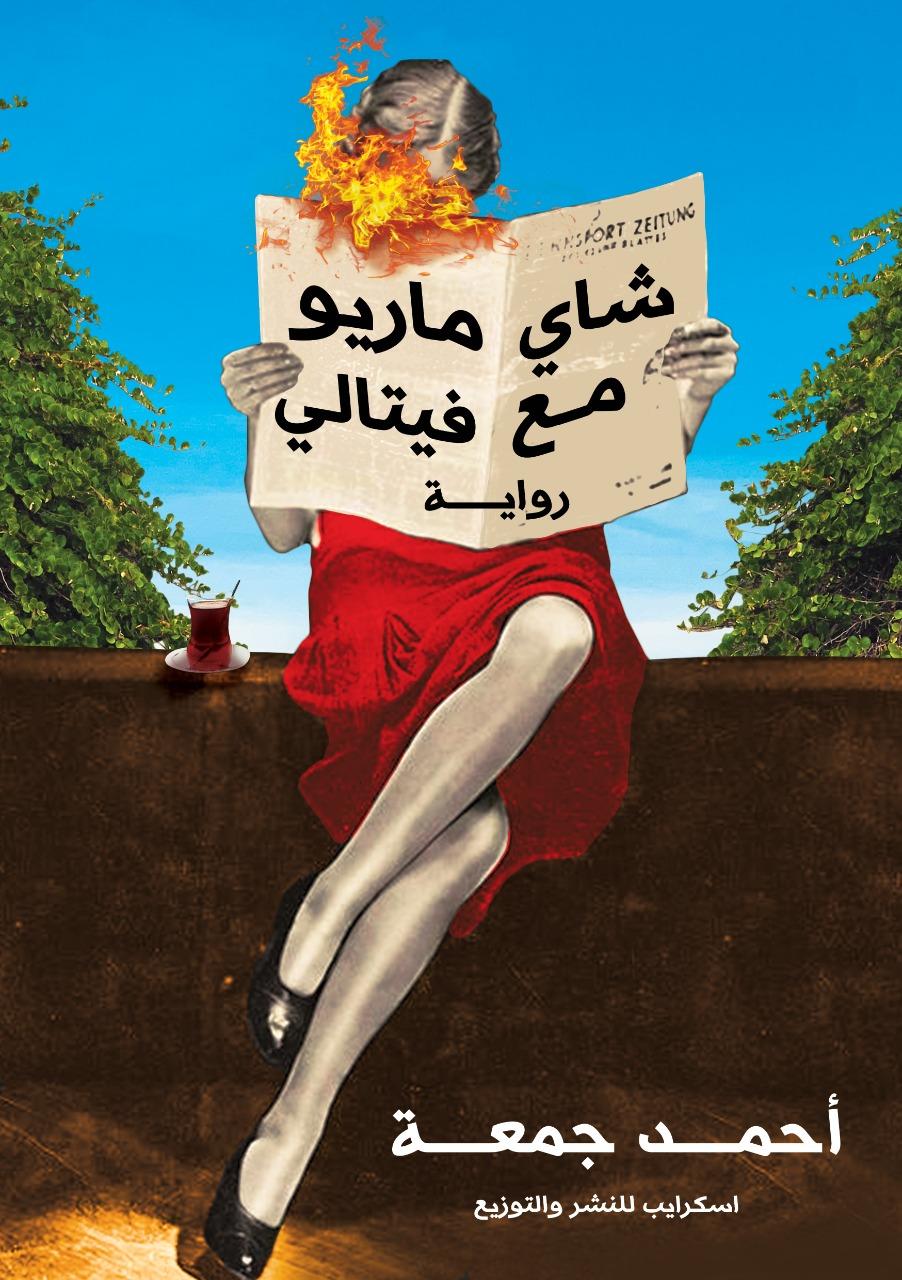
في وقتٍ من الراهن، يلوح في الأفق شبح وباء في هيئة غبار كونيّ، يتبلور العالم، ويلوح بالأفق الأرجواي ما يوحِي بوقف التدهْور في القِشرةِ الأرضيّة التي هطَلَ عبْرها الغبار مدرارًا، وعمَّمتهُ رياح عاتيّة بأرجاء بقاع العالم…يسود مناخ عاصفة من الاحتجاجات على الحكومات التي تقاعسَت حتى الساعة، ما أدى لترويج شائعات عن نهاية للحياة بكوكبِ الأرض.
زمرة من اللاجئين، مختلفي الدوافع، ليلاف الكرديّة الفارة من عفرين بعد الغزو التركي، أحمد القرمزي، صحفي خليجي خرج من المعتقل بعد أن نالهُ التعذيب، ماريو فيتالي كهلٌ إيطالي، يبلغ التسعين عامًا عنصري النزعة ثم يتغيّر بالتغييرات الطارئة، يقطن شقَّة بالدور الثاني، بناية غربّي فندق مي ميلان في ميلانو بإيطاليا…خلفَ مقهى ستاربّكس. مايا سعود مليارديرة، تملك سلطة على أصحاب القرار، العقيد غازي فلاح من البوليس السري شعبة الأمن الوطني مُعَذِب أحمد القرمزي… تقاعد ووَلَج في حربّ مع النظام في بلده، أصبح منشقًا بعدما كان في صُلبِ النظام، جمع ملايين.. بسام داود مستشار قائد خليجي، ومعه ناصر رجب وزير سابق انشق عن النظام وفرّ للخارج، وعدد من اللاجئين من مختلف الأطياف…
يلتقون في بناية اللاجئين، أطْلقَ التسمية عليها، ماريو فيتالي.. الذي يسكن مع امرأة، تصغرهُ سنًّا، أنيقة المظهر، لا يعرف سكان البناية عنها شيئًا، تكهَّن البعض بأنّها زوجته، وراهَن آخرون أنَّها عشيقته،
احمد القرمزي الصحفي اللاجئ، يصادف جلاده. الذي تقاعد ووَلَج في حربّ مع النظام في بلده، أصبح منشقًا بعدما كان في صُلبِ النظام، بزغَ نجمهُ، مع توليه استجواب المعتقلين،
تبدأ المطاردة بينهما في أجواء نشرَت جريدة الصنداي تايمز، خبر تسرب شعاع غامض من مدينة أدرنَّة التركية على الحدود اليونانية،
ليلاف سعيد الكردية الفارة من عفرين، صادفت في ميلانو ضابط مخابرات تركي، عمرهُ فوق الستين، لجأ لإيطاليا بدروهِ…! بعد أن اُسْتُغْنيّ عن خدماتهِ لتورَّطهُ في حادثة اغتيال، فرَّ تحت غطاء لاجئ من نظام أردوغان…أذاقها العذاب، وهو يعيش الآن في بحْبوحَة… يجلس كلّ يوم بمقهى في ميلانو…
عندما يُطارد الضحيّة الجلاد، تخْتلُّ الموازين، تنْقلب الصورة، لوجهِها الآخر، فتكون مثلَ مرآة خلفيّة تعكسُ ما وراء الصورة، تبدو لوهلةٍ أولى أن هناك عدالة…
رواية ملحمية في حدود 640 من الحجم 14x 21 تروي وباء الغبار الكوني الذي فجر مواجهة بين ضحايا التعذيب وجلاديهم!!
رواية صدرت عن دار الفارابي في بيروت 2015 ووصلت القائمة الطويلة بجائزة زايد للرواية في الدورة العاشرة
تغيير العالم بالقوة وإحداث الفرق في الكون، كان ذلك هو المصير الذي ارتبطت به وسارت على بساط من الجمر، كائنات تقتات على الموت لتصل للحياة وتقتات على الحياة لتدخل نطاق الموت، سلاسل من الكمائن لابد من عبورها للنجاة في النهاية ولكن ما هي التكلفة؟
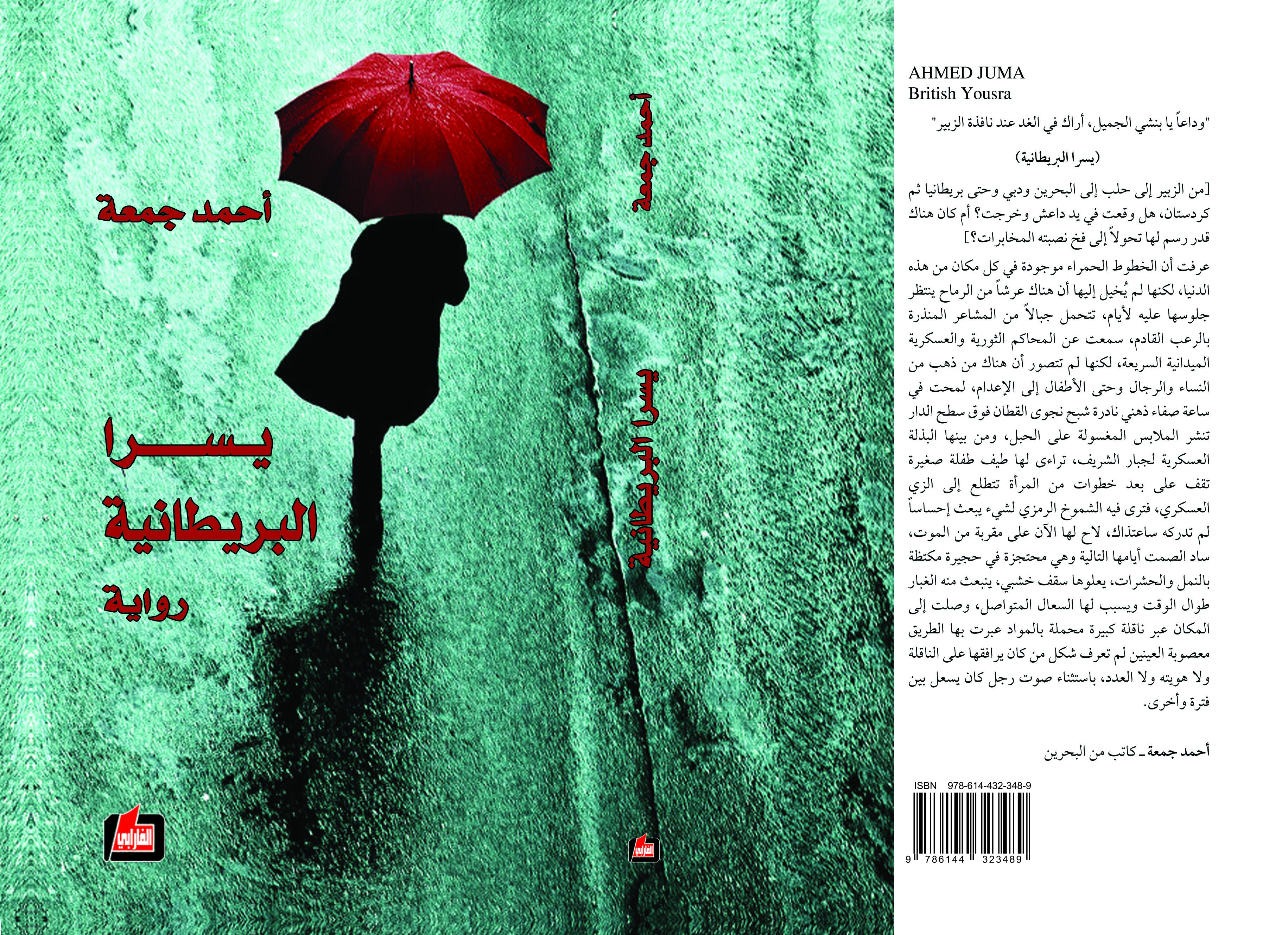
يسرا القرمزي أو يسرا البريطانية، حكاية تروي مسافة طويلة لرحلة شاقة تعبرها فتاة عربية من مدينة الزبير بالعراق، قطعت دروب شائكة ليست معبدة، منذ نعومة أظافرها، مرت خلالها بالحرب العراقية الإيرانية ثم بحربي الخليج، تحرير الكويت، وإسقاط صدام حسين ثم بالحرب الرابعة مع الإرهاب ممثلة بداعش والقاعدة….
مرت فتاة الزبير “يسرا” بعواصم مختلفة انطلاقًا من الزبير في البصرة بالعراق، مرورًا بسوريا، لبنان، والبحرين، ودبي، وبريطانيا، وسويسرا، مرة أخرى بالعراق ثم أربيل بشمال العراق. رحلة قطعتها فتاة الزبير لتستقر بسجنٍ رهيب من سجون داعش، وقبلها كانت قد بدأت رحلة عذاب كلاجئة في بريطانيا وحملت الجنسية البريطانية لتحارب بجبهة سرية مشبوهة وسط عاصفة من ملايين الدولارات، تدفقت عليها حتى استقرت في قلب زلزال إرهابي وضعها في زنزانة انفرادية منتظرة حكم الإعدام من تنظيم مسلح تورطت فيه أو معه.
رواية شاقة تقع في 408 صفحة من الحجم الوسط تروي، رحلة سندبادية فتاة اختطفها فخ البريق العالمي، مال، سهرات، وفنادق ثم براري وصحاري وخرائب، لتقبع وسط كائنات لا تؤمن إلا بالموت طريق لتحرير الذات، تعبر من خلاله بتنظيمات مسلحة، ومدن ومطارات، وعمل بالفنادق، بصحبة رجال خطيرين، يقودون تغيير العالم بالقوة والخداع ونصب الفخاخ.. كيف لها أن تتعايش مع هذه الشبكة المنفلتة من العنف والسياسات المتلاحقة كأمواج المحيط؟
(من الزبير إلى حلب إلى البحرين ودبي وحتى بريطانيا ثم كردستان، هل وقعت في يد داعش وخرجت؟ أم كان هناك قدر قد رسم لها تحولاً إلى فخ نصبته المخابرات؟)
“عرفت أن الخطوط الحمراء موجودة في كل مكان من هذه الدنيا، لكنها لم يُخيل لها أن هناك عرشًا من الرماح تنتظر جلوسها عليه، تتحمل جبالاً من مشاعر منذرة، بالرعب القادم، سمعت عن المحاكم الثورية والعسكرية الميدانية السريعة، لكنها لم تتصور أن هناك من ذهب من النساء والرجال وحتى الأطفال للإعدام، لمحت في ساعة صفاء ذهني نادرة شبح والدتها، نجوى القطان فوق سطح الدار تنشر الملابس المغسولة على الحبل، ومن بينها البذلة العسكرية لجبار الشريف، تراءى لها طيف لطفلة صغيرة تقف على بعد خطوات من المرأة تتطلع للزي العسكري، فترى فيهشموخ رمزي لشيءٍ يبعث إحساسًا لم تدركه ساعتها، لاح لها الآن على مقربة من الموت، ساد الصمت أيامها التالية وهي محتجزة في حجيرة مكتظّة بالنمل والحشرات، يعلوها سقفٌ خشبيٌ، ينبعث منه الغبار طوال الوقت ويسبب لها السعال المتواصل، وصلت المكان عبر ناقلة كبيرة محملة بالمواد عبرت بها الطريق معصوبة العينين لم تعرف شكل من كان يرافقها على الناقلة ولا هويته ولا العدد، باستثناء صوت رجل كان يسعل بين فترة وأخرى”
تروي حكاية يسرا عن جبار الشريف القرمزي
تسرد تطور قصة يسرا مراحل تحولاتها:
• يسرا القرمزي
• يسرا البريطانية
• يسرا الإرهابية
ومحطات عبورها خلال الرحلة الممتدة عبر سنوات الجمر من الزبير إلى حلب إلى الحدود اللبنانية، السورية، التركية، والعراقية مرورا بالبحرين ودبي ولندن
ضياء بهزادي فتاة حالمة تبدأ يومها بإسعاف فضل درويش الكهل بعد أصابته بجلطة في سوبرماركات، من حينها تبدأ الحوادث تنبع وتتدفق من حولِها كجداولِ النهر. تُصادف خيانة خطيبها، بعد ساعة من ذلك، ثم تَصْدم عامل نظافة- عرفان رحمن- الذي جاء ومعه حلم الثراء بالعمل في دولة نفطية وتهرب، يُشَل العامل ويظلّ مسجى بالمستشفى، مُخلفًا عائلته في بلاده بين عوز وفقر وقلق على حياته، فتتحوّل زوجته بيباشا إلى العاصمة للبحث عن وسيلة لإنقاذه، وتقضي وقتها تائهة بالبحث في الشوارع فيما تواجه ضياء التي صدمته نفسها بمواجهة ضميرها وشعورها بالذنب مما يسبب لها أزمة حتى تعجز عن قيادة السيارة، لتواجه نحس الشوارع يلاحقها، حتى تلتقي ثانية بفضل درويش الأب الذي اسعفته وقد فوجع هو الآخر بانتحار ابنه سلمان بجرعةِ مخدر…
تمضي الرواية في سياقات متعدِّدة هذه ليست سوى سطح الحياة من فوق، التفاصيل تفتضح في ترابط الاحداث والشخصيات رغم اختلاف أماكنهم وثقافاتهم وخلفياتهم الاجتماعية والمهنية، تحمل الرواية أفكار فلسفية حول ثنائيّة الحياة والموت وجوهر الحبّ وغرابته، مع بطل رئيسي الشارع الذي هو سببًا في جلب النحس…
فكما يكون الإنسان سببًا في إنقاذ حياة الآخرين، فهو كذلك سبب في دمار حياتهم! ذلك التناقض العجيب الذي يؤكِّد مرة أخرى على صعوبة فهم العقل البشري وإعجازه في نفس الوقت، فنحن جميعًا نحمل في داخلنا أكثر من شخصية، تظهر كلّ واحدة منها بشكلٍ منفصل في أوقات معينة، وقد تظهر أكثر من شخصية في نفس الوقت في تعقيدٍ متشابك وعصي على الفهم. عرفان رحمن رغم ألمه وتعاسته فقد كان سببًا في إيقاظ الحب المفاجئئ. لقد كان هذا العامل البسيط سببًا في تدفق الحب في قلب بيباشا وقلب ضياء، وإعادة التوازن إلى حياة ضياء بعد فقدانها، وبداية رحلتها لإيجاد سلامها الداخلي. الصمت يحمل في داخله الكثير من الأجوبة وما علينا إلا اكتشافها عبر الاستسلام لذلك الصمت، تمامًا كما كانت نظرة عرفان رحمن شفا ًء لقلب ضياء. تفاصيل الحياة الصغيرة هي ما تقود لتفاصل الكوارث الكبيرة، قلا ينفع الانتباه وقت الغضب ولا ضمانات في الحياة سوى الحياة ذاتها.
من أصعب الأشياء بالعالم! تلخيص حياة واحدة في شخصيتين، أكثر شخصيتين غريبتين عن العالم، إحداهما وجودية منسلخة عن واقع الحياة اليومي المُترع بالترهات، يمثِّل شخصية كاتب وموظف، تتقمص رأسه فكرة توديع الحياة باحتفالية غرائبيّة، حيث يقرر محاربة مرضه السرطان والتغلب عليه بمزيد من العناد، وآخر فقير ومهمش بلا تعليم، أمضى نصف حياته مراسلاً بمكتب الأول، قضى حياته كلها بعزلةٍ ووحدة، بعد أن فقد وظيفته ومنزله وزوجته وولديه، انفصل عن العالم. يتفق الاثنان بعرض من الأول على تبادُل الأمكنة، وقضاء فترة إجازة بالخارج في عرض غريب تكفَّل فيه الأول وتحمل مصاريف الرحلة بمجملها لأجل هدف غاب مضمونه عن الآخر الذي سايرهُ ليكتشف ما وراء هذه المغامرة.
يرقص الاثنان على حافة من الهاوية، محيطها، أوكار دعارة، مساجد وكنائس، قلاع ومحيطات، مدن، ساحات، حيث تتركز الوجوه وتذوب أو تنتفخ، تضحى جميعها مزارات لكاتب ينشد وقت التكوين الروائي، لا حدود ولا خطوط حمراء، لا وقائع مسكوت عنها، لابد من اقتحام ملكوت المسكوت عنه، بكل التفاصيل، التي يكمن فيها الشيطان، بشّري كان، أم جنّ، الالتحام بالمشردين والوجهاء والأعيان والمهمشين، عاهرات وراهبات على السواء، كل الأمكنة مباحة للأول، وكل الممارسات مسموح فيها، كل الكهوف متاح اقتحامها، هذا ما يسعى إليه الأول، للخروج بحربه من مرض السرطان منتصراً ليثبت أن الله ليس محور الكون! فيما الآخر الذي ظلّ ستون عاماً حبيس المسجد والصلاة الخمس، تصدمه رؤية الأول فيبدأ صراع الشكّ واليقين، بين الانفتاح الذهني والقبو الديني فهل من منتصر؟
ظلّ الله وظلّ العدميّة، يتشابكان كلغزٍ أزلي ينتهي بمسافة يتحرَّر فيها الاثنان من عذاب القبر…
عن رواية “ليلة الفلفل في لوغانو”
احمد جمعة
من أصعب الأشياء بالعالم! تلخيص حياة واحدة في شخصيتين، أكثر شخصيتين غريبتين عن العالم، إحداهما وجودية منسلخة عن واقع الحياة اليومي المُترع بالترهات، يمثِّل شخصية كاتب وموظف، تتقمص رأسه فكرة توديع الحياة باحتفالية غرائبيّة، حيث يقرر محاربة مرضه السرطان والتغلب عليه بمزيد من العناد، وآخر فقير ومهمش بلا تعليم، أمضى نصف حياته مراسلاً بمكتب الأول، قضى حياته كلها بعزلةٍ ووحدة، بعد أن فقد وظيفته ومنزله وزوجته وولديه، انفصل عن العالم. يتفق الاثنان بعرض من الأول على تبادُل الأمكنة، وقضاء فترة إجازة بالخارج في عرض غريب تكفَّل فيه الأول وتحمل مصاريف الرحلة بمجملها لأجل هدف غاب مضمونه عن الآخر الذي سايرهُ ليكتشف ما وراء هذه المغامرة.
يرقص الاثنان على حافة من الهاوية، محيطها، أوكار دعارة، مساجد وكنائس، قلاع ومحيطات، مدن، ساحات، حيث تتركز الوجوه وتذوب أو تنتفخ، تضحى جميعها مزارات لكاتب ينشد وقت التكوين الروائي، لا حدود ولا خطوط حمراء، لا وقائع مسكوت عنها، لابد من اقتحام ملكوت المسكوت عنه، بكل التفاصيل، التي يكمن فيها الشيطان، بشّري كان، أم جنّ، الالتحام بالمشردين والوجهاء والأعيان والمهمشين، عاهرات وراهبات على السواء، كل الأمكنة مباحة للأول، وكل الممارسات مسموح فيها، كل الكهوف متاح اقتحامها، هذا ما يسعى إليه الأول، للخروج بحربه من مرض السرطان منتصراً ليثبت أن الله ليس محور الكون! فيما الآخر الذي ظلّ ستون عاماً حبيس المسجد والصلاة الخمس، تصدمه رؤية الأول فيبدأ صراع الشكّ واليقين، بين الانفتاح الذهني والقبو الديني فهل من منتصر؟
ظلّ الله وظلّ العدميّة، يتشابكان كلغزٍ أزلي ينتهي بمسافة يتحرَّر فيها الاثنان من عذاب القبر…
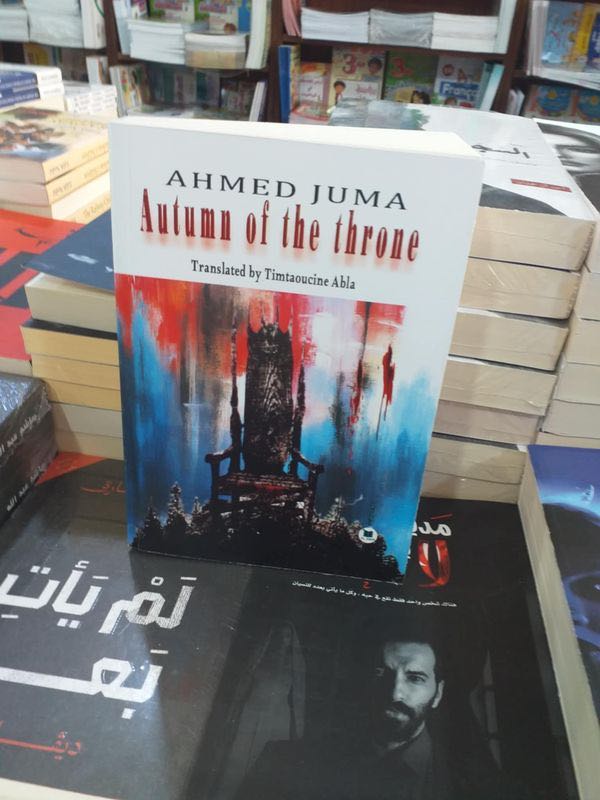
هذا واقع أزمة لا يمكن غضّ الطرف عنها، من الفرنسية للإسبانية، ومن الإنجليزية حتى الألمانية ومن الهيروغليفية للخرافيّة، يشرق عالم من الترجمة الاحترافيّة، إلا العربية، تعيش اللعنة منذ نجيب محفوظ حتى اليوم…لا دور النشر العبثيّة، ولا مؤسسات الثقافة الإنكشارية العثمانيّة فلحت بتوصياتها لخدمها أدباء السلطان، ولا عفاريت الملائكة والشياطين أفلحوا في تسويق أسخف الترجمات لأسخف الروايات في رفع الرواية العربية إلى عتبة دور نشر عالمية لتنبئ عمل ما…حتى تلك التي اقترنت بترجمات مؤسسات الجوائز العربية الفائزة، يا للهول، يمكنك أن تُلقي بنفسك من شرفةٍ ملكيّة ولا تقبل بتجريمك بالترجمة…فقتُ على دار نشر ذات مرة معْرِضة ترجمة رواية “يسرا البريطانية” للإنجليزية، فإذا بي أمام مشنقة فلت منها بعد عدة صفحات وأنقذت روايتي من تأبينها بصمت…حتى استقرت بين جناحين دافئين وهي بالطريق لمكانها مع شقيقتها رواية خريف العرش التي أضاءت سمائي الروائية بترجمة مبدعة نفاذة “Autumn of the Throne”
قفز موضوع الترجمة لذهني عند رؤية سؤال وجههُ لي موقع ثقافي يعد رصينًا، فأيقظ ذلك حواسي المُجمّدة في جحيم الفكرة الخرافيّة من الترجمة وقفزت للواجِّهة صور ذكريات جنائزيّة حول الترجمة من العربية للغات أخرى…كيف كنا أفضل أمة بعثت مع العربية وما زلنا في قاع السديم؟ لا دور النشر جريئة، بل يلاحقها العار في هذا المجال… ولا المترجمين يتذوقون الأعمال فيتحمسون. أما من يكلفون بالترجمة فهم الحثالة…لروح صالح علماني السكينة والسلام…
هناك من لجأ لمؤسسات الاتحاد الأوروبي، وقلّة غزلَت صلات جانبية مع جامعات أوروبية تغازل العربية، وأساتذة متخصصين بتذوُّقِ الإبداعات العربية لكن لم تسْمن جرعاتهم عن اكتشافات سوى تلك التي تتلقفها الصدفة والعلاقات الشخصية…الحرفية والبرنامج والجدية معدومة، لذلك ستبقى أهم الروايات العربية على مدى العقود السالفة، أيها النائمون تحت التراب!!
هل نحن أمام جنازة للرواية العربية؟ فكلِّ ما يشي حتى الآن هو أن الرواية تنزلق بلعنة تشهد عليها آلاف الروايات، بل ربما ملايين منزلقة من رحم دور نشر بالمئات، لأسماء لا تدُل على أنها قرأت رواية قبل أن تُسطر واحدة، إلى دور نشر تقبض المئات وتهرب بها وأسوء جحيم أرضي عربي ثقافي هو انتشار دكاكين المتملقين تحت يافطة النقاد لمنح هذا الخراء عنوان رواية خالدة!!! يا للهول أين نسقط؟
النقاد بهذا الزمن المنحدر مجرمين متسلسلين…دور النشر معظمها دكاكين احتيال والعريقة منها تبحث عن أسماء لاتينية وأوروبية وحتى خرافية، والوصول لدار بنجوين العالمية يتطلب علاقات كونيّة…إلا إذا حالف الحظ وانبثقت دار من هنا أو هناك كسرت القاعدة ونادرًا ما سيحالف الحظ في زمن ثُلج فيه الحظ حتى ذوبان النحس الثقافي العربي، إذن لا سبيل سوى انتحار الرواية العربية الحالمة بالتحرُّر من القيود الإنكشارية العثمانية. هذا جوابي لسؤال الموقع الإلكتروني الذي في حكم الرصين.
The weather was relatively warm, with hints of summer heat softened by dewdrops and a gentle breeze that scattered bits of feather-like down from the eternal trees, indifferent to seasons. The droplets touched the gray stone tiles, derived from brown mountain rocks at the kingdoms farthest reach, some imported from neighboring states. Pools of water formed where yellow leaves floated lazily. At the edges of these stagnant puddles, birds quarreled, drinking, diving, and fluffing their soaked feathers repeatedly.
“No butterflies here?” the queen asked as Maysam massaged her shoulders from behind, the sound of rain pattering against the umbrellas. “Creatures as delicate as butterflies can’t survive in a world deprived of freedom by Khardalah,” she scoffed. The African aide chuckled. “Don’t laugh. Khardalah even oppressed nature itself. Why do you think everything around us has died, except you and me?” The queen grew serious. “Maysam, do you think my illness took root in me like a poisonous weed? Oppression kills, Maysam. The butterflies are gone because nature is dead, and only Khardalah lives. Can you believe that?”
Just then, as if summoned by her words, Khardalah appeared like a shooting star, accompanied by two doctors and an attendant. His sudden arrival silenced Maysam, who stepped back to make way. The queen’s voice, though faint, rang with authority. “Dismiss them first, Khardalah, before you approach me.” With a quick gesture, he signaled the others to retreat.
“Marianna, I—”
“Wait,” she interrupted, pointing to the distance. “There was a green lemon tree there once. Where has it gone?” He hesitated, rain misting his clothes. Taking shelter under the umbrella, he pondered her question. Mariana motioned for Maysam to join her beneath the canopy. Reluctantly, Maysam complied, shielding herself from the drizzle. “You haven’t answered me, Khardalah. Where is the lemon tree?” He shivered, feigning a cough. “It was infected with tree blight. We removed it to protect the others. That’s my answer, Mariana.”
A clip from the novel Autumn of the Throne
The weather was relatively warm, with hints of summer heat softened by dewdrops and a gentle breeze that scattered bits of feather-like down from the eternal trees, indifferent to seasons. The droplets touched the gray stone tiles, derived from brown mountain rocks at the kingdoms farthest reach, some imported from neighboring states. Pools of water formed where yellow leaves floated lazily. At the edges of these stagnant puddles, birds quarreled, drinking, diving, and fluffing their soaked feathers repeatedly.
“No butterflies here?” the queen asked as Maysam massaged her shoulders from behind, the sound of rain pattering against the umbrellas. “Creatures as delicate as butterflies can’t survive in a world deprived of freedom by Khardalah,” she scoffed. The African aide chuckled. “Don’t laugh. Khardalah even oppressed nature itself. Why do you think everything around us has died, except you and me?” The queen grew serious. “Maysam, do you think my illness took root in me like a poisonous weed? Oppression kills, Maysam. The butterflies are gone because nature is dead, and only Khardalah lives. Can you believe that?”
Just then, as if summoned by her words, Khardalah appeared like a shooting star, accompanied by two doctors and an attendant. His sudden arrival silenced Maysam, who stepped back to make way. The queen’s voice, though faint, rang with authority. “Dismiss them first, Khardalah, before you approach me.” With a quick gesture, he signaled the others to retreat.
“Marianna, I—”
“Wait,” she interrupted, pointing to the distance. “There was a green lemon tree there once. Where has it gone?” He hesitated, rain misting his clothes. Taking shelter under the umbrella, he pondered her question. Mariana motioned for Maysam to join her beneath the canopy. Reluctantly, Maysam complied, shielding herself from the drizzle. “You haven’t answered me, Khardalah. Where is the lemon tree?” He shivered, feigning a cough. “It was infected with tree blight. We removed it to protect the others. That’s my answer, Mariana.”
شخصيات ضوئية، غرائبية، الرواية تروي عوالم ذاتية وموضوعية غريبة تشيء عن حيوات متناقضة داخل كل شخصية فتبدو خرافيّة مع أنها نبتت في الواقع الرهن الذي وُلد من رحم الماضي السحيق الذي يعود لعصر تجارة الرقّ، عندما وصلت سفن وقوارب تجار تهريب الرقّ موانئ وسواحل الخليج، تغرُّف الأطفال والنساء والرجال ليقوم متاجرون محليون واستعماريون متخفين بتوزيعهم كرقّ. فكان هناك الجد سالم الحلو جاء شابًا مع غرباء سرعان ما تحولوا لأجداد وآباء، يباع ويُشترى بهم حتى يستقر أحدهم بدار أحد الوجهاء حينها. وهناك وهنيدة الطفلة التائهة التي وجدت نفسها بلا أرض ولا سماء، دون أسرة ولا ذكريات، في عالمٍ غريب ،، سرعان ما تنخرط مع غيرها بالعمل كخادمة وهي ما زالت طفلة، ليتكوَن من هذه الشخصيتين عالم جديد، يشهد تناسل أبناء وأحفاد منسلخين عن واقع الحياة اليومي المُترع بالترهات، واقع شخصيات كصباح فضل بن علي وفرج سالم الحلو مع جده سالم والوجيه راشد بن خميس، هذه الشخصيات تكون هي ذاتها سببًا في نشوء أسرة متفرِّعة وبالوقت ذاته متطاحنة، مكونة نسيجًا من التائهين الذين يبحثون عن ذواتهم ضمن دولاب الضياع والألم والذل، فهم أنفسهم باعثًا في تدمير حياتهم، التفاوت يبرز التفاوت في سوء الفهم بينهم بعضهم بعضًا من جهة، ومن جهة أخرى العالم الضبابي لتبدو الحياة في ومضةٍ أقل هيمنة من التناقض الذي ينقض عليهم جميعًا ويجسد بمرارةٍ عذاباتهم وهم يحملون داخل رؤوسهم ذكريات عبوديتهم من قاع عالم الرقّ الذي خرجوا منهُ ونالوا حيرتهم بدلاً من حريتهم، فليس شرط أن تتحرّر من السيد حتى تضحى حرًا، هذا ما توصلت له شقيقتهم الصغرى عندما لم يفهموا كيف يفكوا قيودهم الداخلية، كما هو حال الآباء والأجداد والأجيال التاليّة باستثناء نسيمة التي تمكنّت من فكِّ قيودها، لأنها تمرّدت وتحرّرت نتيجة خطيئة تبدو في عيون واجهة المجتمع خطيئة كبرى لا تغتفر، تلك هي حقيقة أزمة فهم العقل البشري وعجزهِ في ذات الأفق عن إدراك مغزى ما جرى، فهذه الأسرة قاطبة تعيش داخل فرد منها أكثر من شخصية، تبرز كلّ ذات منها بشكل مستقل عن الآخر في مواقف حاسمة من الحياة، تبرز أكثر من شخصية في ذات الوقت ضمن تعقيد متعقد ومتمرِّد على الفهم. كنسيمة الابنة المشكوك بها، وصباح عضو المحكمة الدستورية الذي تقلَّب على الواقع كما على الجمر وتغلَّب عليه، ورفض الولاء الأعمى، تعاسة الوقائع المُتشابك والأزمات، كانت سببًا في تغيير الواقع من راكدٍ إلى مُتحرك، كما شكّل حافزًا في إيقاظ الحبّ النائم كالفراخ في الضباب وقاد لومضاتٍ وطفراتٍ من السلام الداخلي مع الذات…بعد تَحطُّم الأحلام الكبيرة على صخرة المنافي الشتائية والإقصاء..
“في هذا اليوم الغائم جزئياً مع هبوب تيار من هواءٍ بارد، سرَى بيننا شعورٌ بأن ثمّة تغيير في الطقس السياسي، كان ملجأنا عادة بمثل هذه الأوقات من الاحتقان والتشنُّج، مطعم عبدو اليماني ملتقى السياسيين والثوار والفوضويين والمتسكعين والعاطلين وسكارى آخر الليل، حيث يقدم لهم كل ما تبقى في قاعِ أواني الطبخ من أكلات فوضوية وعشوائيّة من كافة الأقطار، بمبالغ رمزية، وبعضها مجانية عندما يكون هنالك معدمون بحاجةٍ لسدِّ جوعهم، أو أصدقاء اعتادوا قضاء ليل نقاشاتهم في حضرتهِ وبين جدران مطعمه الأول، بالسبعينيات بحسب معرفتنا به وبقرب سوق المحرق دون تحفُّظ منهم على ما يطرحونه من أفكار ومعلومات لاعتقادهم بأن عبدو، واحدًا منهم، ولهُ مكانة يمنية جنوبية خاصة…كان يحتفظ لنا بوجباتٍ متميّزة حتى لو كانت زياراتنا لهُ بآخر الليل، كان يقوم بإعداد وجبة خاصة بسرعةٍ خرافيّة… في صباح يوم الجمعة المشبع بحرارة شهر أيلول سبتمبر الخفيفة، تألقت الشمس منذ الفجر وانبثق ضباب شفاف أشبه بالغيم، كان يوم إجازة، واتفقنا أنا وبنفور وعددٌ من الأصدقاء على الخروج في الصباح، أو بالأحرىّ ضحى حينما شع نور الشمس من بين خيوط السُحب والضباب الذي تثيره الريح ويتسلّل عبر الشقوق الخشبية والنوافذ القديمة المطلّة على جهة الشروق. تسري الحياة في مطعم عبدو وتبدأ معه عجلة الوجبات الصباحية، التقينا هناك مع بداية عودة ملامح أعمال العنف التي عمّت الشوارعَ وبدأ تصاعد سخط الناس من جديد، وتعالت أصوات تُطالب بعودة من فُصلوا من وظائفهم، واشتدّت مظاهر الاحتقان مرّة أخرى، كان التوتر بادياً على الوجوه التي يكتنفها الوجوم، وجرى الحديث عن صدامات بين الأهالي في المناطق المختلطة من البلاد. عبدو صالح كان يستمع لنا ولا يتدخل، وعندما نغادر يستوقفني ويسألني هذا السؤال الذي ظلّ يردّدهُ حتى افتراقنا…وعندما رحل لم أكن موجودًا:
“متى تتعدل يا حمد زهران؟” ظلّ سؤاله يرن في رأسي بصدى شجنه كالكوميديا السوداء التي طبعت مسيرته الطويلة، حتى رحل بالألفية الثالثة، ولم يشهد التغيير، وحتى اليوم! سؤال عبده صالح اليمني صاحب أشهر مطعم عشوائي في البحرين وأقدم مطعم شعبي يمني خليجي أوروبي!! في مدينة المحرق الرمادية.
كنا نتطلّع للتغيير معه بحلمٍ ازدهر، واتسع معه الخيال بعد قيام أول دولة ماركسية لينينية بالعالم العربي في جمهورية اليمن الديمقراطية ومع تفجُّر أول وأخطر ثورة يسارية في المنطقة الخليجية بجبال ظفار في سلطنة عُمان. كل هذه الأحداث التي تشكّلت منها أحلام الثوريين والفوضويين، جرَت ابتداءً من نهاية ستينيات القرن الماضي مرورًا بالسبعينيات، حين بدأ الأفول للماركسية والثورات والانتفاضات، وموت الأحلام تدريجيًا، فيما ظلّ مطعم عبدو اليماني شاهدًا على الأحلام الثورية حتى رحل عبدو صالح قبل سنوات قليلة، رفيق السكارى والثوريين والفوضيين ومُطعم العاطلين والمتسكعين.
تذكّرتُ لوحة فنيّة لصورتهِ عالقة بذاكرتي العتيقة التي لم تُمحَ، صورته ليست على الورق فقط، هو أيقونة شعبية ارتبطت بحقبة ثورية شهدت ولادة وانتحار أحلامنا”
كعناقيد الثلجِ عندما يحين وقت ذوبانها، كذلك رحلة الغوص الطويلة التي تمتدّ لشهورٍ أربعة من فصل الصيف وحتى مطلع الخريف حيث تشهد أسطورة الحياة والموت في حقبة الفقر والمجاعة من أربعينيات القرن الماضي في البحرين.
تحكي الرواية بألمٍ مختزل:
رحلة الغوص لجنيّ المحار، طويلة شاقة، تروي حكاية غواص وصديقه، يقضيان شهور الغوص الأربعة في قلب البحار، منعزلين عن العالم، يروي أحدهما حكايته مع زوجته الجميلة الأخاذة بتفاصيل شفافة، مما يزرع في عقل الآخر الذي لم يسبق أن التقى بامرأة أفكار ومشاعر جياشة تبلغ ذروتها بالولوج في عمق العلاقة حتى يبلغ مرحلة عشق زوجة الآخر من خلال ما يرويه صديقه عن مغامراته العاصفة والمثيرة مع زوجته حتى يصل لمنعطفٍ محموم لا يستطيع مقاومة الاندماج الكلي مع المرأة عبر ما يسردهُ الآخر عن جسدها وعاطفتها ورغباتها إلى أن يُفكِّر بالاستيلاء عليها عبر التسبّب في موت صديقه المسئول عنه في الغوص عندما يتركه يغرق ليعود إلى اليابِسة بعد شهور العزلة الطويلة في البحر ويبدأ قصة أخرى معها…
تجري احداث الرواية في بدايةِ أربعينات القرن الماضي إبان الحرب العالمية الثانية، في مجتمع البحرين الخليجي، بذروة محنة الكساد والموت الرخيص، في أطار مدينة رمادية ساحلية تعتمد في حياتها على صيد السمك والغوص بحثًا عن اللؤلؤ، مدينة موبوءة بالفقر والمجاعة والعواصف والمرض والاستغلال الذي يدفع ثمنه الغواصين الرمادية وهم يلقون حتفهم خلال وجودهم في البحر ويُدْفَنون فيه قبل العودّة إلى اليابِسة، يتزامن ذلك مع الخيانات الزوجية من قِبل نساء معوزات لا يملكنّ ما يسدّ رمقهن بغيابِ أزواجهن في رحلة الغوص.
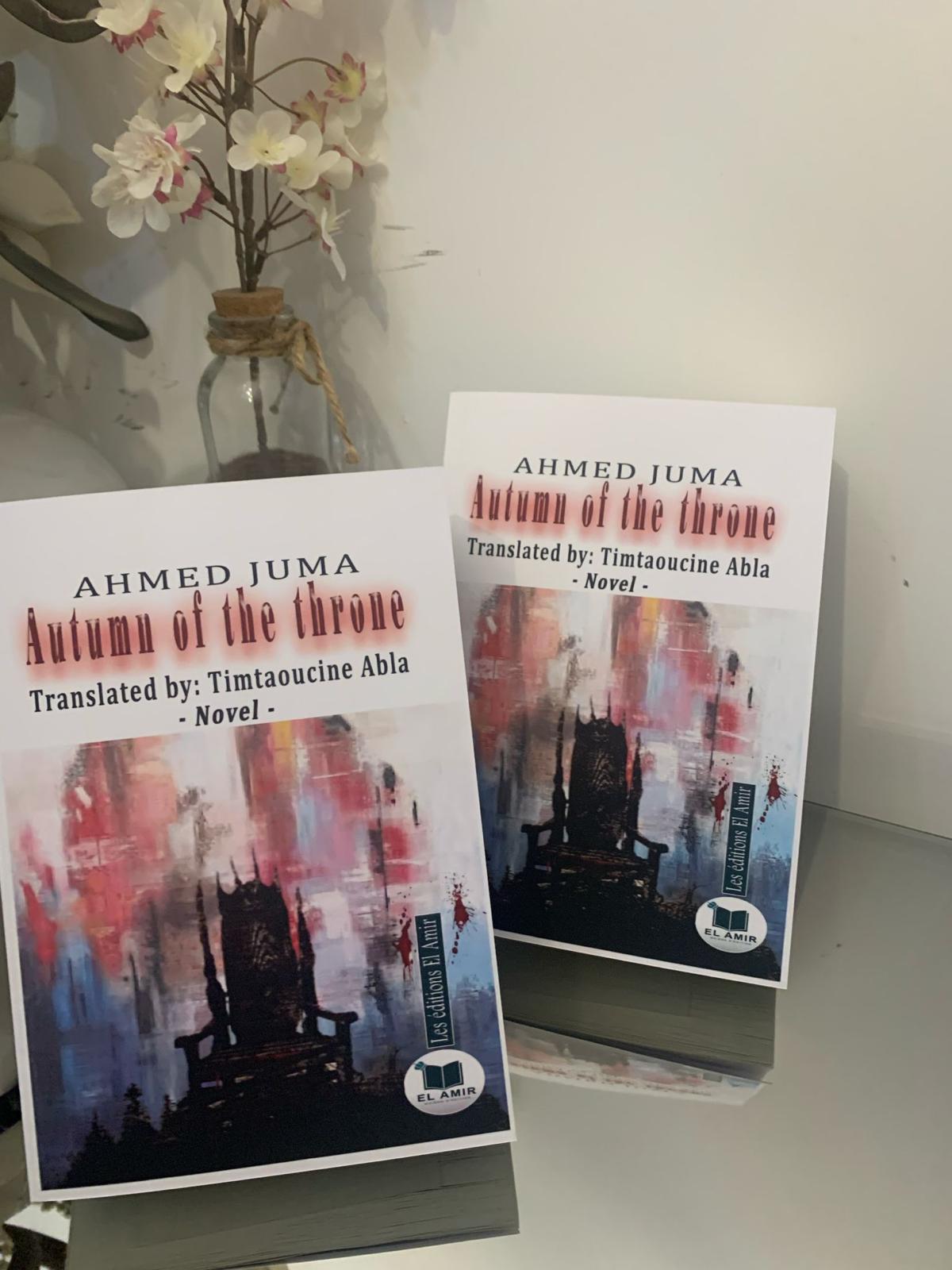
The novel Autumn of the Throne, translated by Bahraini novelist Ahmed Juma, published by Dar Al Ameer for Publishing and Distribution – Paris. : Translator: Timtaoucine
Autumn of the Throne”
About the Novel
In an ancient past, hidden behind a dusty legend, a dictator named Imam Khurdala bin Sama’a al-Nabhani established his mythical kingdom. He ruled with fire and steel, without a constitution or customs like other countries, even bloody ones. He surrounded it with laws and restrictions that were shocking to witness. He ruled that kingdom, located in a geography now embroidered with an unknown geography. He seized power from his father in a bloody coup and removed it from his brother, the Crown Prince. He then seized control of his fiancée, resided in the Sultan’s palace, and appointed himself Imam of the kingdom, ruling in the name of God. His power reached its absolute peak when he established mythical rules based on his being both the representative of heaven and the executor of judgments, leading to a mythical rule that surpassed medieval dictatorships. The Imam’s brutality was fueled by his command, and his brutality increased with the flow of his doubts like the mouths of a resurrection. The Imam, God’s representative on earth, formulated divine laws and decrees, embroidered with verses of his own blood, against all those who circled around him and glorified his kingdom, over which the sun shines by day and darkens by night. If it were in his power, he would prevent the sun’s rays from rising. He sees the darkness of the universe as a divine means to make the inhabitants of the kingdom completely blind so that they cannot see each other. He forbade the lighting of lamps at night… curfew… banned the wearing of sunglasses… issued a caravan of Imami decrees that included the prohibition of singing, holding parties, listening to music, and owning books, except the Qur’an and books by Salafis. He entrusted them with managing the affairs of the inhabitants… everyone who dared and had the courage and desire to read lost his life. A group of those who smuggled books secretly risked their lives. The punishment for reading was death…
About the author
Ahmed Juma, the Bahraini writer whose words pulse with the spirit and magic of his homeland, weaves of imagination and reality with the ink of his pen. His prose captivates hearts and stirs minds, carrying whispers of the sea, the secrets of gray cities, and the brittle yellow leaves of autumn ,mirroring the fragility of human existence. Through his novels and essays, he embodies the history of his nation, illuminating his love for his homeland, his devotion to freedom, and his unwavering commitment to the struggles of the marginalized,the exiled souls lost in the estrangement of their own lands. Stripping away the illusions of reality, he plunges into the depths of forgotten cities, making his words a beacon for lovers of literature and thought.
Published Works:
Novels
– The Stray Sheep – Published by Dar Al-Farabi, 2013 – Longlisted for the Sheikh Zayed Book Award, 10th Edition.
– Yusra the British – Published by Dar Al-Farabi, 2015 – Longlisted for the Sheikh Zayed Book Award, 11th Edition.
– Egg of the Moon – Published by the Arab Institute for Research and Publishing, 2001.
– Parisian Moon – Published by the Arab Institute for Research and Publishing, 2009.
– A Last Dance on a Blue Moon – Published by the Arab Institute for Research and Publishing, 2016.
– Autumn of Cherries – Published by Dar Al-Farabi, June 2017.
– The War of Violets – Published by Dar Al-Farabi, January 2018.
– The Moon Thief – Published by Dar Al-Farabi, February 2019.
– The Tabrizi Carnation: Abu Al-Ala Al-Ma’arri and His Companion – Published by Dar Al-Farabi, 2020.
– A Night of Pepper in Lugano – Published by Eskraib Publishing, Cairo, 2021.
– Tea with Mario Vitali – Published by Eskraib Publishing, Cairo, 2022.
– The Street of Misfortune – Published by Eskraib Publishing, Cairo, 2022.
– Autumn Of Throne (Arabic language) – Published by Eskraib Publishing, Cairo 2022.
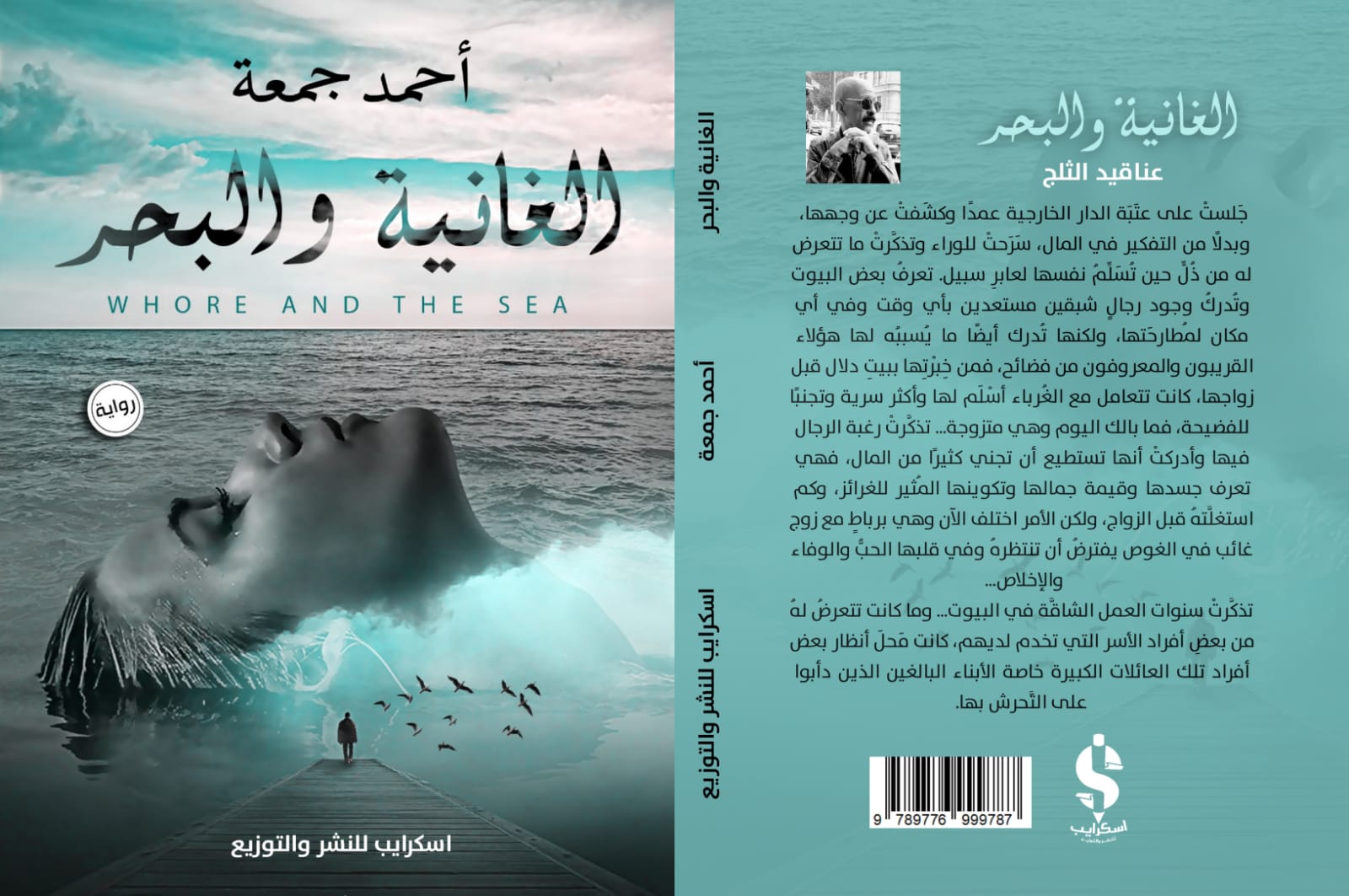
– Whore And The Sea- Published by Eskraib Publishing, Cairo 2023.
– Daughter Of Love -Published by Eskraib Publishing, Cairo 2024.
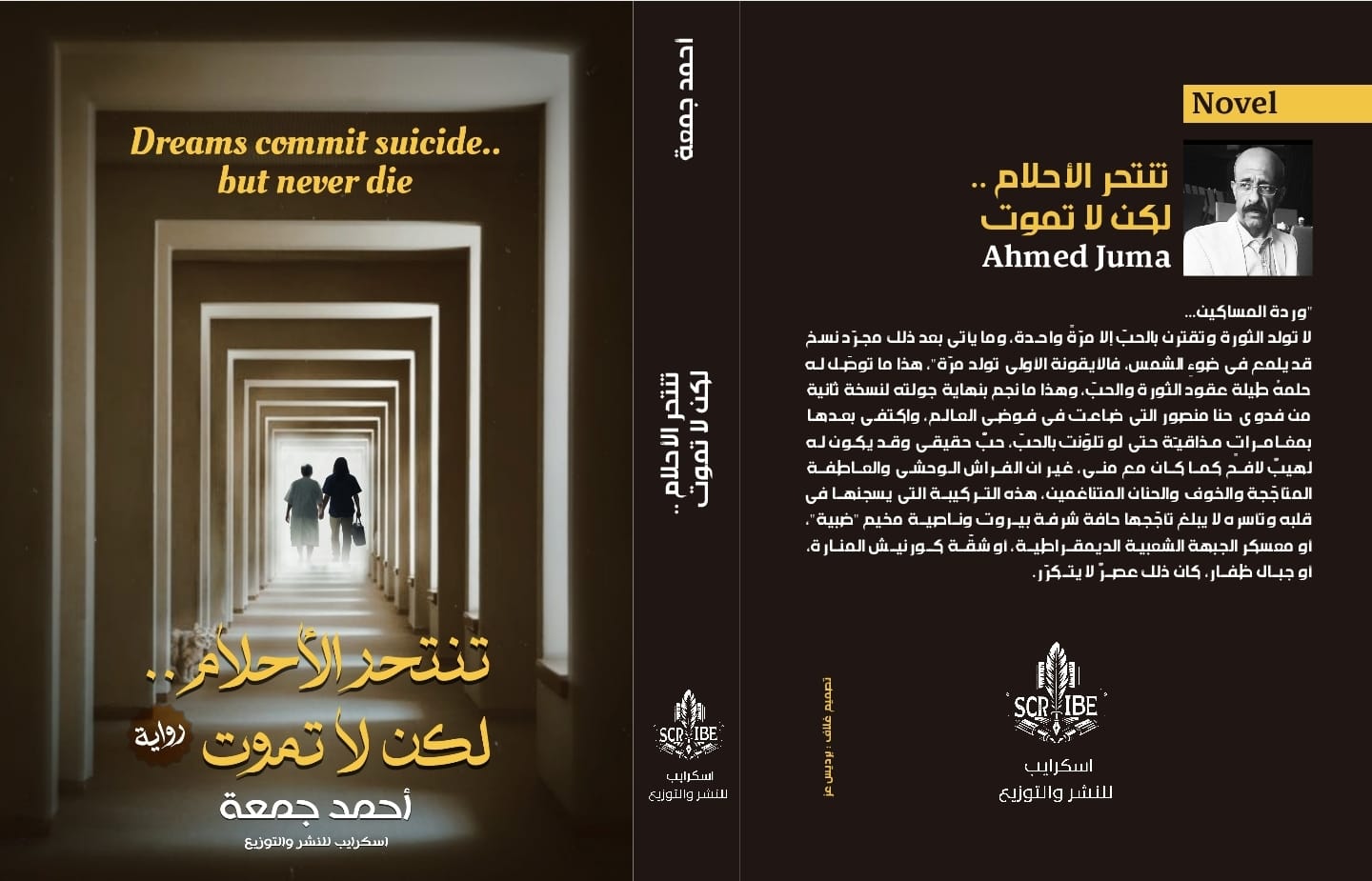
– Dreams Commit Suicide But Never Die – Published by Eskraib Publishing, Cairo 2025.
Plays
– Scheherazade: Dream and Reality – Published in Iraqi Pens magazine.
– Ascending the Gray Slope – Published in Iraqi Pens magazine.
– Abu Nuwas Dancing Disco – Published by Dar Al-Farabi, 1982.
– A Cup of Coffee for the President – Published by Dar Al-Farabi.
Critical Studies
– Cinema of Transformations: A Critical Study of Youssef Chahine’s Cinema – Published by Dar Al-Rubaiyan for Publishing and Distribution, Kuwait, 1986.
– The Ball of Ash – Published by the Ministry of Information, Bahrain.
– Electronic Democracy – Published by Al-Ayam Publishing and Distribution, Bahrain, 1997.
– Revolutionary Democracy: A Study in Bahrain’s Reform Project – Published by Al-Ayam Publishing and Distribution, Bahrain, 2005.





 Loutes Publishing